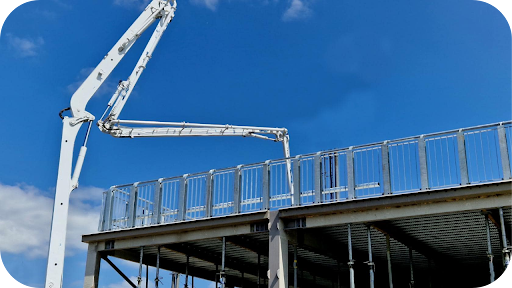
Request Quote
Oops! Something went wrong while submitting the form.

Building a swimming pool is a major upgrade, yet many shells fail because the concrete is placed poorly. Plenty of homeowners are surprised to learn that a single mistake during the pour can weaken the entire structure.
Cracks, leaks, uneven surfaces, costly fixes. These problems often start long before the pool is filled. Tight access and rushed manual placement only make things worse.
Concrete pumping changes the outcome. It delivers strength, speed, and accuracy. This article explains why pumping is essential for a durable pool and how it protects your investment from day one.
Concrete pumping plays a central role in modern pool construction because it delivers the mix directly into the excavation with control and precision. Instead of relying on wheelbarrows or cranes, a pump pushes the concrete through a hose that can travel through tight side passages, over obstacles, or down into deep pits.
This makes the placement far more efficient, especially on residential sites where access is usually limited. The process begins with setting up the pump, priming the line, and working with the concreting crew to plan the pour path.
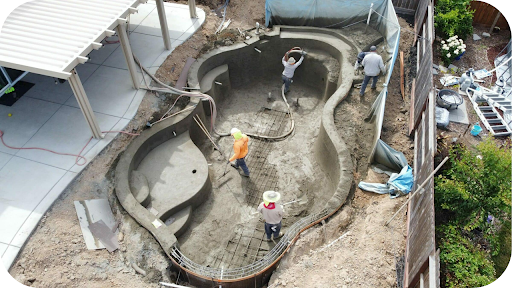
Once the concrete starts flowing, operators control the pressure and pace so the pool shell fills evenly and without interruption. This steady flow is important for preventing cold joints and maintaining the strength of the structure.
By keeping the concrete moving smoothly, pumping supports cleaner pours, safer work areas, and a stronger final result for any pool design.
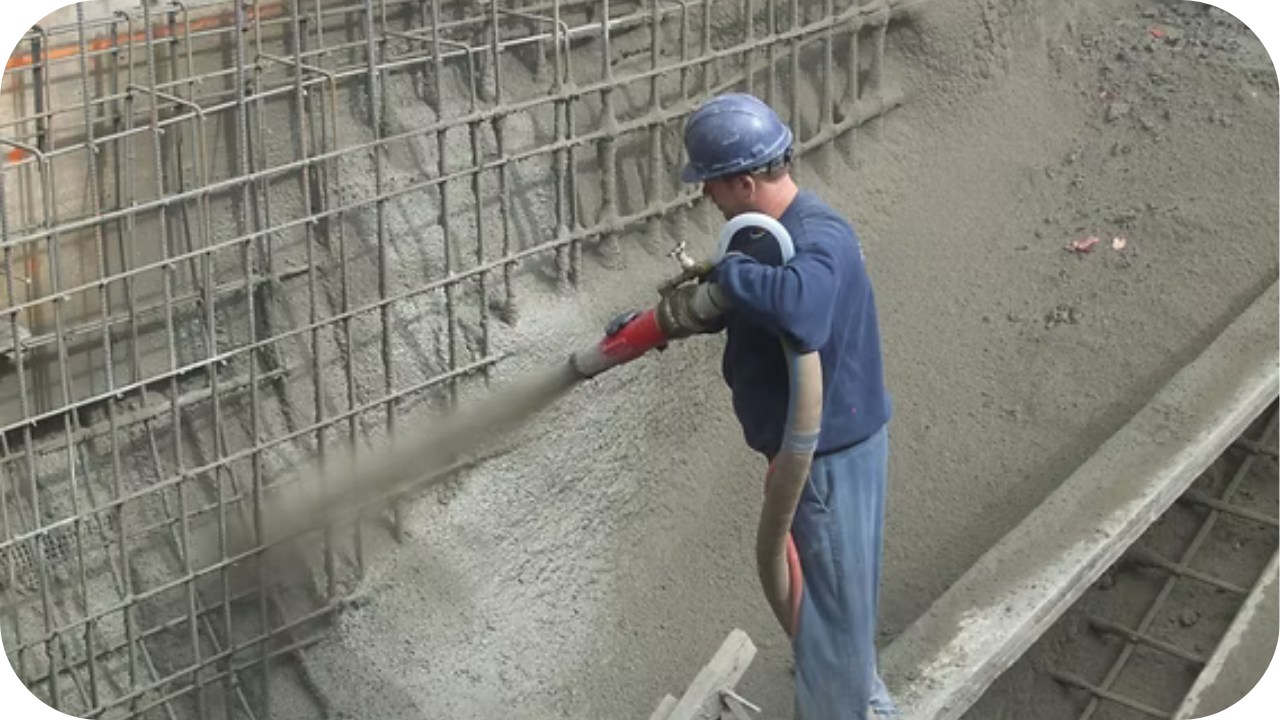
Concrete pumping delivers major advantages that shape the strength, speed, and overall quality of every pool shell, especially on challenging Melbourne sites. Here are some of the advantages:
Concrete pumping reaches narrow access paths, deep excavations, and awkward backyard layouts with steady control. The hose delivers concrete exactly where it is needed, keeping the pour clean and accurate. This reduces mess, avoids damage, and supports a smoother workflow for pool builders.
Pumping moves concrete quickly across the site, removing the slow, labour-heavy work of barrowing. Crews can focus on shaping and finishing the pool shell instead of transporting the mix by hand. This shortens timelines, reduces fatigue, and keeps the entire construction process running efficiently.
Pool shells rely on continuous concrete flow to achieve full strength. Pumping provides a steady, uninterrupted supply that eliminates cold joints and weak patches.
This supports better compaction, improved bonding, and a durable structure that performs well for decades.
With fewer wheelbarrows and less manual handling, pumping reduces hazards across the site. Workers move more freely, and concrete stays contained within the planned pour area.
This improves safety, minimises spills, and helps builders maintain a tidy, organised workspace throughout the project.
Modern pool projects often include curves, steps, benches, and unique architectural features that need precise concrete placement. Pumping allows operators to control the flow and direction of the mix, ensuring each shape is filled evenly without gaps or overflows.
This precision is especially important for infinity edges, plunge pools, or custom luxury designs. With pumping, builders can achieve smoother finishes and maintain the structural integrity of every detailed element.
Smooth, accurate concrete placement can make or break a pool build, so choosing the right pump becomes one of the most important decisions. See below:
Line pumps work well for most residential pools because they handle tight access and narrow side paths with ease.
The hose can be extended through backyards, around corners, or down into deep excavations without heavy machinery. This makes them a practical choice for small to medium pool shells where precision matters.
Boom pumps suit larger or more complex pool projects where the concrete needs to reach over obstacles or from a greater height.
The articulated arm allows operators to place concrete directly into the excavation with smooth, controlled movement. This option is ideal for commercial pools or sites with difficult access from the ground.
The right pump depends on access, pour volume, and the shape of the pool you are building.
A site check helps determine how far the hose must travel and the safest way to manage the concrete flow. Choosing correctly ensures a continuous pour, fewer delays, and a stronger final structure.
Concrete pumping tackles the hidden challenges that can stall or weaken a pool build, turning difficult sites and conditions into smooth, controlled pours. Here are some of the challenges:
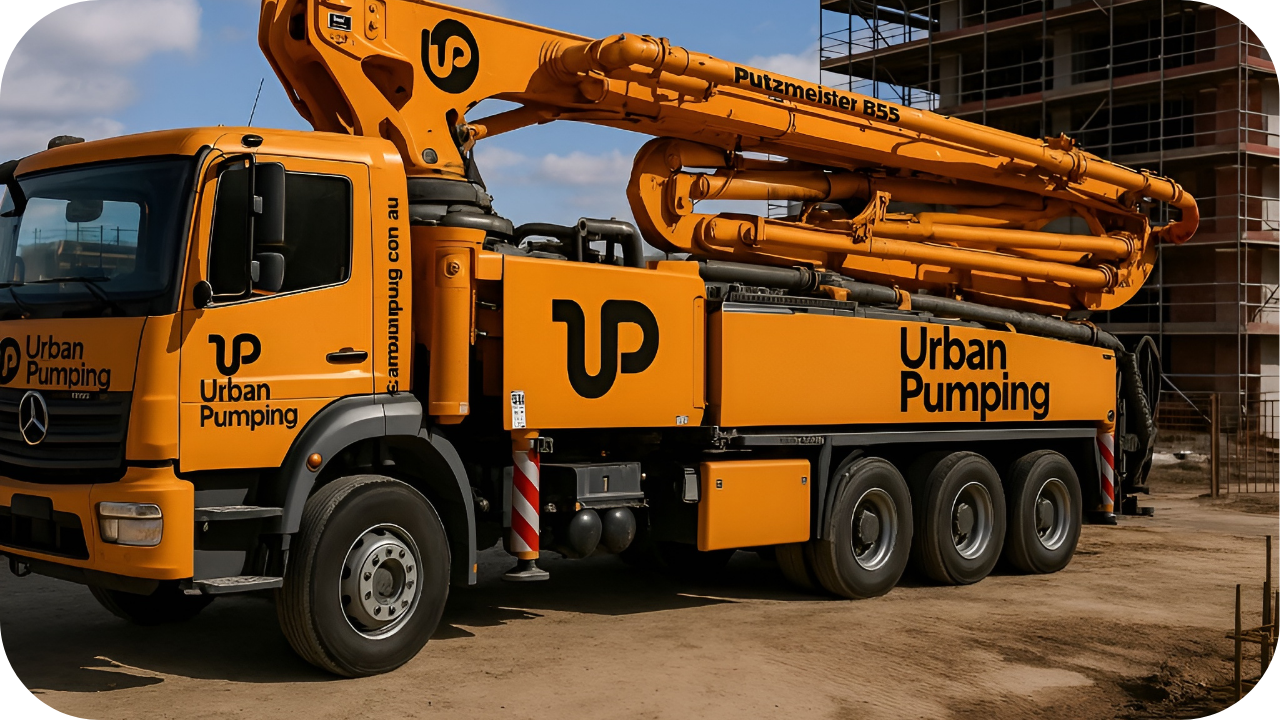
Urban Pumping plays a steady role in keeping pool construction projects across Melbourne running smoothly. Every pool site is different, so the team arrives prepared for tight spaces, deep excavations, and tricky schedules that often come with residential builds.
Their operators work closely with pool builders to plan the pour, set up the right pump, and keep the concrete flowing at the pace the crew needs. This reduces downtime and prevents problems like cold joints or uneven coverage.
The equipment is maintained to a high standard, which means reliable pressure, consistent output, and fewer surprises on the day. Clear communication is another advantage, helping builders stay confident from the moment the truck arrives to the final wash down.
With a focus on efficiency and dependable service, Urban Pumping supports stronger pool shells and a smoother building experience for homeowners and contractors throughout Melbourne.
A strong, long-lasting swimming pool starts with the way the concrete is placed. Pumping gives your build the consistency, accuracy, and reliability that manual placement simply cannot match.
It speeds up the pour, reduces risk, and helps create a pool shell built to handle Australian conditions for years. If you want your project done right from the very first pour, trust the team that specialises in precision pumping.
Reach out to Urban Pumping today and give your pool the solid foundation it deserves.