Request Quote
Oops! Something went wrong while submitting the form.

Concrete pumping crews work in high-risk environments where improper PPE or weak compliance can lead to serious injuries and costly delays.
WorkSafe Victoria reports thousands of construction injuries each year, which shows how quickly things can go wrong when protection slips. Even a small hose movement or concrete splash can cause major harm.
This article gives you a clear, practical walk-through of the PPE every crew needs, the compliance standards required in Victoria, and how Urban Pumping keeps worksites safe, steady and well-managed so every pour runs smoothly.
Personal protective equipment is essential on any concrete pumping site because crews work around fast-moving machinery, high-pressure delivery lines and surfaces that become slippery during pours.
Working close to boom arms, hoses, clamps and steel fittings exposes workers to impact, pinching and crushing risks, while even a minor blowout can send concrete flying with enough force to cause serious injury.
Noise, dust, and chemical splashes present further hazards, particularly in confined or busy environments where visibility and communication can decline.
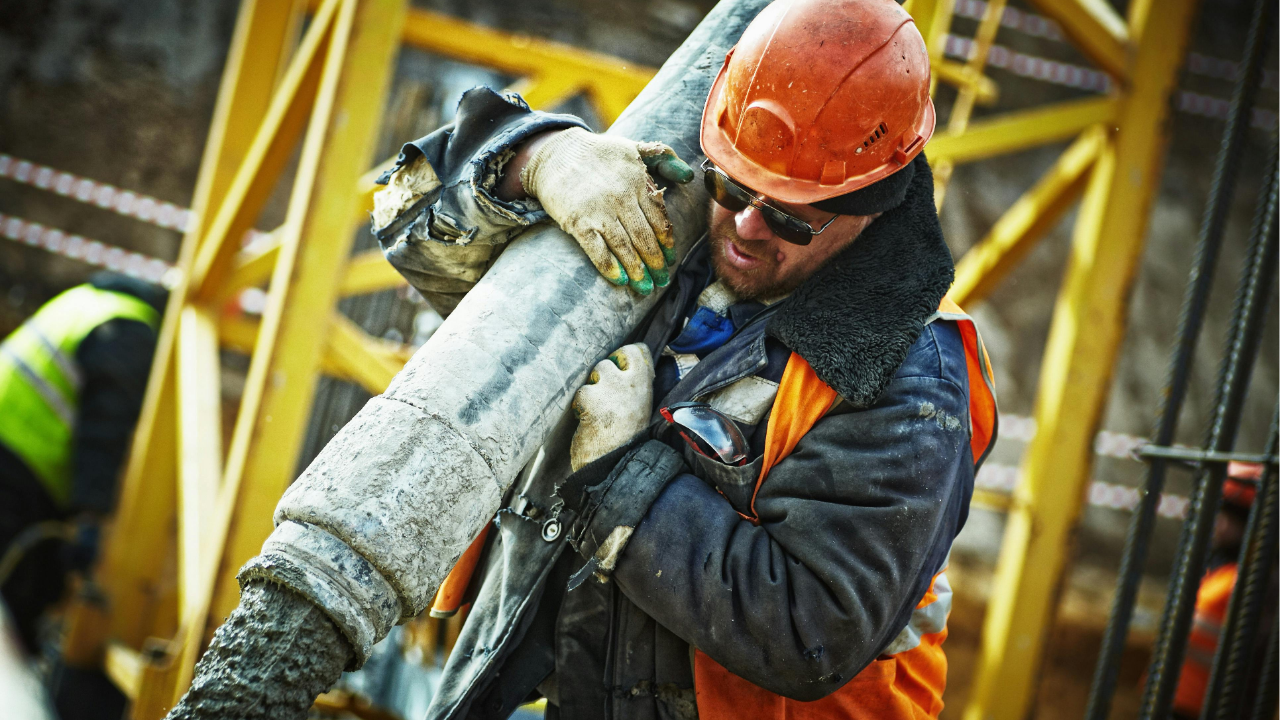
Proper PPE shields crews from these everyday risks and supports a safer, more controlled workflow. It helps reduce incidents linked to slips, splashes, equipment movement and loud operating conditions.
When pumping crews are fully equipped and protected, they can focus on the task without fear of avoidable accidents. PPE is not simply an added extra. It is a foundation of safe pumping practice across every project in Victoria.
Safety on pumping sites starts with the right gear. Strong PPE protects crews from fast-moving risks and keeps Victorian worksites running safely. See below:
Protective helmets are essential on every pumping site because they shield crew members from falling debris, sudden overhead movement and accidental contact with formwork or suspended elements.
A compliant helmet must fit securely, remain in good condition and be worn from setup through to pack down. This requirement protects pumping crews working near boom movements, hopper operations and active material handling areas.
High-visibility clothing ensures that pumping crews remain clearly identifiable in busy work zones where multiple trades operate at the same time. Bright reflective garments help spotters, supervisors, and plant operators maintain awareness of crew positions during pumping activities.
This is especially important near traffic routes, night pours and complex formwork setups. Correct visibility clothing significantly reduces the likelihood of collisions, miscommunication and avoidable incidents around moving machinery.
Eye and face protection guards against concrete splashes, airborne debris and unexpected hose pressure releases. Pumping tasks often involve risk near the hopper, line connections and during priming procedures, so safety glasses or face shields are needed at all times.
Proper protection is vital when clearing blockages, monitoring the hopper or working near pressurised lines. This reduces exposure to materials that can irritate or cause long-term eye damage.
Concrete pumps generate high noise levels that can cause long term hearing damage without correct protection. Earplugs or earmuffs must be used whenever pumps, generators or cutting tools are active on site.
Consistent hearing protection helps crews maintain clear communication and remain aware of warnings or signals. This is critical around line pumps working in confined spaces or boom pumps operating on large commercial jobs with multiple noise sources.
Hands are exposed to many risks during pumping work, from abrasive materials to pinch points near clamps, hoses and fittings. Durable gloves provide grip, prevent cuts and shield skin from concrete burns during setup, operation and washout.
Hand protection is especially important when dealing with blockages or repositioning lines. The right gloves help crews maintain control of equipment and reduce injuries caused by slips or unexpected hose movement.
Steel cap footwear is required to protect pumping crews from foot injuries caused by dropped tools, moving hoses or shifting formwork components. Correct boots provide ankle support, grip and stability on uneven or wet ground, which is common during pours.
Suitable footwear improves traction when walking around the pump, hopper or delivery line. This reduces slips and protects against impact hazards that can easily occur during busy pumping operations.
High-risk pumping tasks call for more than basic PPE. Extra safety gear keeps crews protected when conditions shift and hazards increase quickly.

Clear compliance keeps pumping sites safe. Victorian standards guide every step, from training to documentation, ensuring crews work confidently and without unnecessary risk. Here are the key requirements:
WorkSafe Victoria defines the rules that guide safe concrete pumping, PPE use and hazard control. These regulations outline the minimum safety standards every crew must meet. Following this framework helps prevent incidents, protects workers, and ensures each pumping project operates within Victorian legal and industry expectations.
Pumping crews must hold the correct high-risk work licences, verified competencies, and updated training records. These requirements confirm workers understand equipment use, hazard control and emergency procedures.
Consistent training keeps crews sharp and ensures all operators meet Victoria’s strict safety and compliance standards on every project.
Concrete pumping sites must have SWMS, pre-start forms, hazard assessments and plant checklists completed before work begins.
These documents prove risks have been identified and proper controls are in place. Good documentation improves organisation, strengthens communication and supports compliance across Victorian worksites.
Employers and contractors must supply PPE, maintain pumping equipment and enforce safe work procedures at all times.
They must also manage hazards, supervise operations and ensure crews follow required protocols. Strong responsibility in these areas keeps pumping environments safe and fully compliant with Victorian regulations.
Crews must complete a site-specific induction and participate in pre-start briefings before any pumping activity begins.
These checks confirm hazards, designated zones and communication methods. Reviewing equipment condition and crew responsibilities ensures the job starts with clear expectations and compliance already in place.
Strong onsite protocols keep pumping crews safe. Clear steps, steady communication, and smart setup practices protect workers from fast-moving risks during every pour.
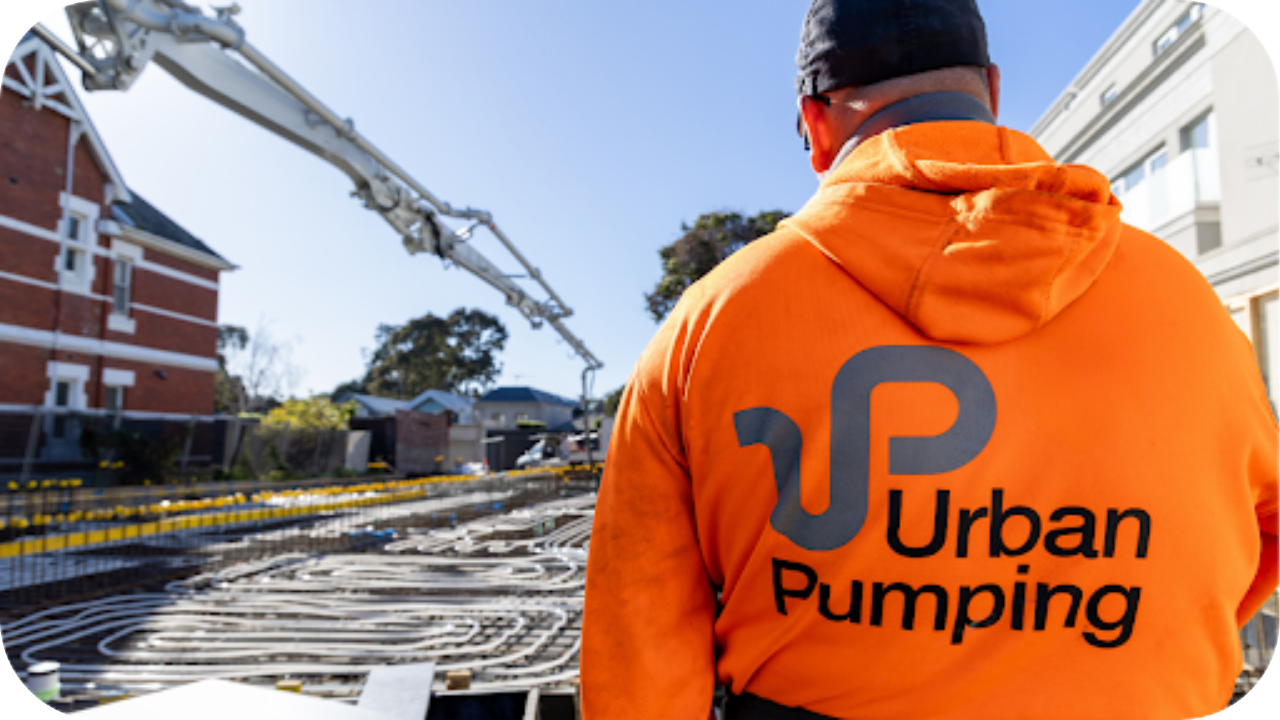
Urban Pumping maintains full safety compliance by combining strict procedures with a culture of responsibility on every project. Each crew member arrives with the correct PPE, verified equipment and a clear understanding of site expectations before work begins.
Detailed pre-start checks ensure pumps, hoses and fittings are inspected, logged and confirmed safe for operation. Crews follow structured communication methods so every movement of the line or boom is coordinated with spotters and site supervisors.
WorkSafe Victoria guidelines shape every stage of the setup, pour, and pack down, supported by induction training and ongoing competency checks. Exclusion zones, signage and traffic controls are applied to protect workers and other trades, while emergency procedures are reviewed before each job.
By combining trained operators, compliant equipment and strong documentation, Urban Pumping delivers a consistent standard of safe performance. This gives builders confidence that every pour will meet the highest safety expectations.
PPE and strong safety compliance keep pumping crews protected, productive and ready for every challenge on Victorian sites. When teams follow the right standards, risks drop and pours run smoothly from start to finish.
If you want a crew that shows up fully equipped, properly trained and committed to safe, efficient work on every project, Urban Pumping is ready to support you. Reach out today to book reliable pumping services backed by professional safety practices.