Request Quote
Oops! Something went wrong while submitting the form.

Concrete pumping accidents account for a surprising number of preventable worksite incidents across Australia, and many happen on busy Melbourne projects where pressure is high. A single mistake can result in significant downtime.
A blown hose, a missed hazard, a rushed setup. Suddenly, the pour stops, workers step back, and costs rise fast. Safety slips when the site is unprepared, and that is when injuries become a real concern.
Safe pumping is not complicated when the right steps are followed. In this guide, you will learn the best practices that keep Melbourne worksites controlled, efficient, and confident from setup to washout.
Safe concrete pumping begins with knowing the legal and practical expectations set for Melbourne worksites. WorkSafe Victoria outlines clear responsibilities for pump operators, site supervisors, and concreting crews, and every team involved must understand these requirements before the pour starts.
A safe pumping environment relies on planning, communication, and the correct use of equipment. When each person understands their role, risks are reduced and the job runs smoothly. Proper documentation, routine inspections, and compliance with workplace procedures form the backbone of safe operations.
These practices protect workers from avoidable incidents and help maintain control over high-pressure concrete systems. For Melbourne builders, meeting safety standards is not just good practice; it's a legal requirement. It creates a consistent and predictable workflow that supports better project outcomes across residential and commercial sites.
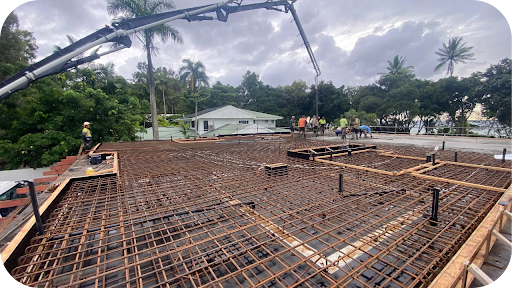
A successful pumping operation always begins with a thorough site examination. Crews walk the area to identify hazards such as unstable ground, power lines, narrow access points, and uneven surfaces that may affect equipment placement.
Understanding how trucks will enter and exit the space is equally important, especially on tight Melbourne streets or residential blocks. Preparing the site may include creating clear pathways, securing loose materials, and marking out the safest location for both the pump and the hose line.
The team also reviews the pour plan to understand the sequence and concrete volume required. When this preparation is done properly, pumping becomes smoother and safer.
The risk of hose movement, equipment instability, or blocked access is greatly reduced. A planned site keeps the crew focused on the pour rather than reacting to last-minute challenges.
Selecting the right pump is one of the most important decisions for a safe concrete pour. The choice affects flow control, placement accuracy, and overall handling of high-pressure materials.
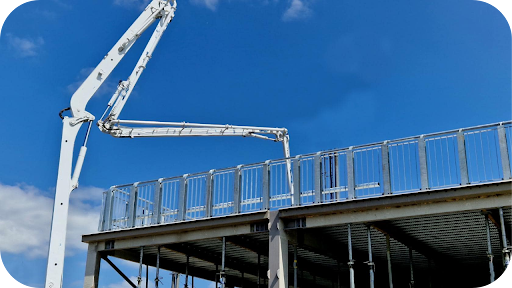
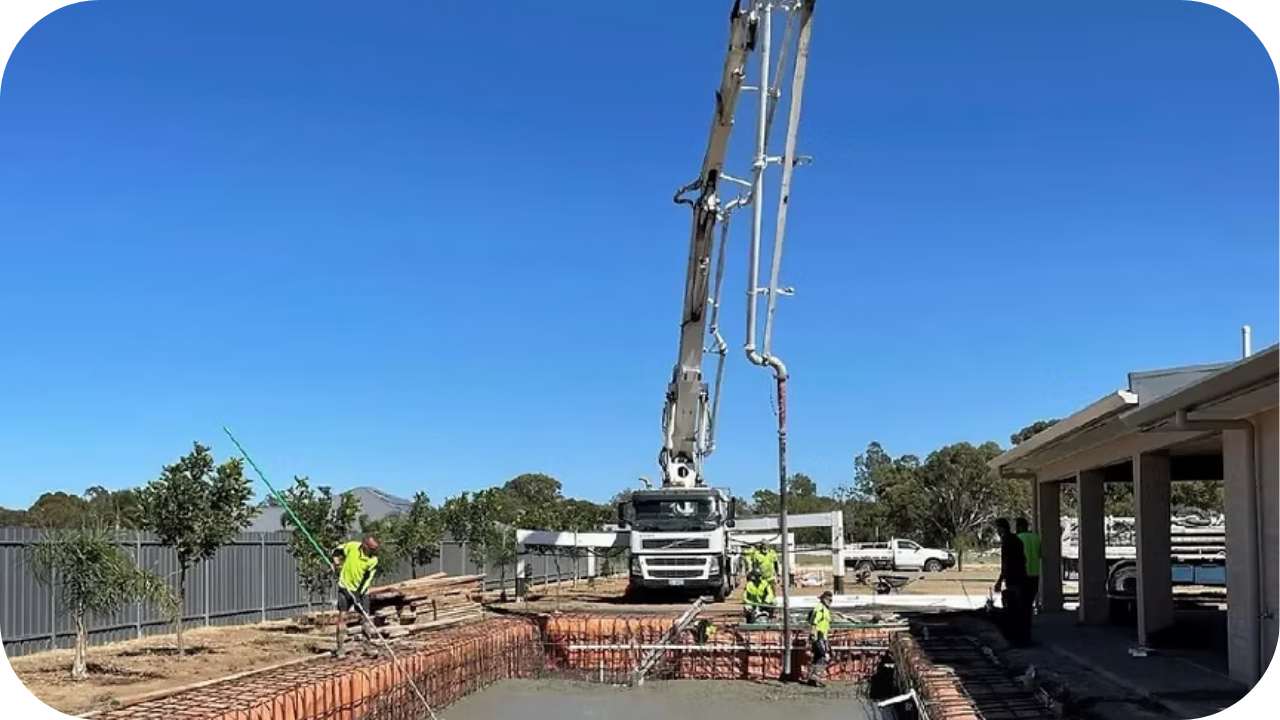
Line pumps are suitable for many residential Melbourne sites with narrow access, but they must be matched with the correct hose length and diameter for safe operations. Boom pumps are ideal for larger builds but require stable ground and clear overhead space to operate safely.
Inspecting clamps, reducers, hoses, and pipes before use ensures nothing is worn or compromised. Using incorrect or damaged equipment increases the risk of bursts, leaks, or blockages.
When the proper pump and accessories are selected, the team can maintain steady pressure, prevent mistakes, and keep workers safe. The right setup supports an efficient pour and reduces the chance of unexpected problems during operation.
Setting up the pump correctly is essential for a safe and controlled pour. Operators begin by placing the truck on firm, level ground to keep stabilisers secure throughout the job. Outriggers must be fully extended and supported with pads to ensure the pump cannot shift or sink during operation.
All hoses, clamps, and line components should be checked for wear, secure fittings, and proper alignment. The team must also confirm that no workers stand within line paths where hoses may flick.
Barriers should be placed around danger zones to keep pedestrians and other trades clear. Before concrete arrives, the pump is primed, communication signals are agreed upon, and the crew positions themselves safely.
A correct setup reduces hazards and creates a controlled environment that allows the operator to manage pressure and flow with confidence throughout the entire process.
During the pour, the focus shifts to maintaining steady control of pressure, flow rate, and worker movements around the excavation. The pump operator should maintain constant communication with the concreting crew to adjust pace or direction when required.
Workers must handle hoses with firm two-hand control and avoid standing directly in line with bends or reducers where pressure surges could occur. Slow, consistent movement prevents whip action and keeps the hose stable.
The area around the pump should remain clear of unnecessary traffic, allowing the operator to monitor performance without distraction. Spotters help guide operators, watch for hazards, and maintain safe distances to ensure a safe working environment.
When the crew works in sync, the concrete flows smoothly, the site remains organised, and the chance of sudden issues is greatly reduced. These habits support a safe and productive working environment throughout the pour.
Blockages are one of the most common risks in concrete pumping, and preventing them requires attention to material quality, pressure levels, and equipment condition.
Operators should monitor the mix to ensure it meets the correct slump and aggregate size for the pump system in use. Improper mixes can pack tightly and restrict movement, increasing internal pressure.
Regular checks during pumping help detect reduced flow early. If the hose vibrates irregularly or the pressure gauge spikes, the operator must respond immediately by stopping the pump and relieving pressure safely.
Clearing a blockage must never be rushed or attempted while the system is active. Inspections of bends, elbows, reducers, and rubber hoses prevent wear-related failures that can lead to blowouts.
Preventive maintenance and careful monitoring help maintain pressure stability, protect workers, and ensure the pour remains smooth and uninterrupted.
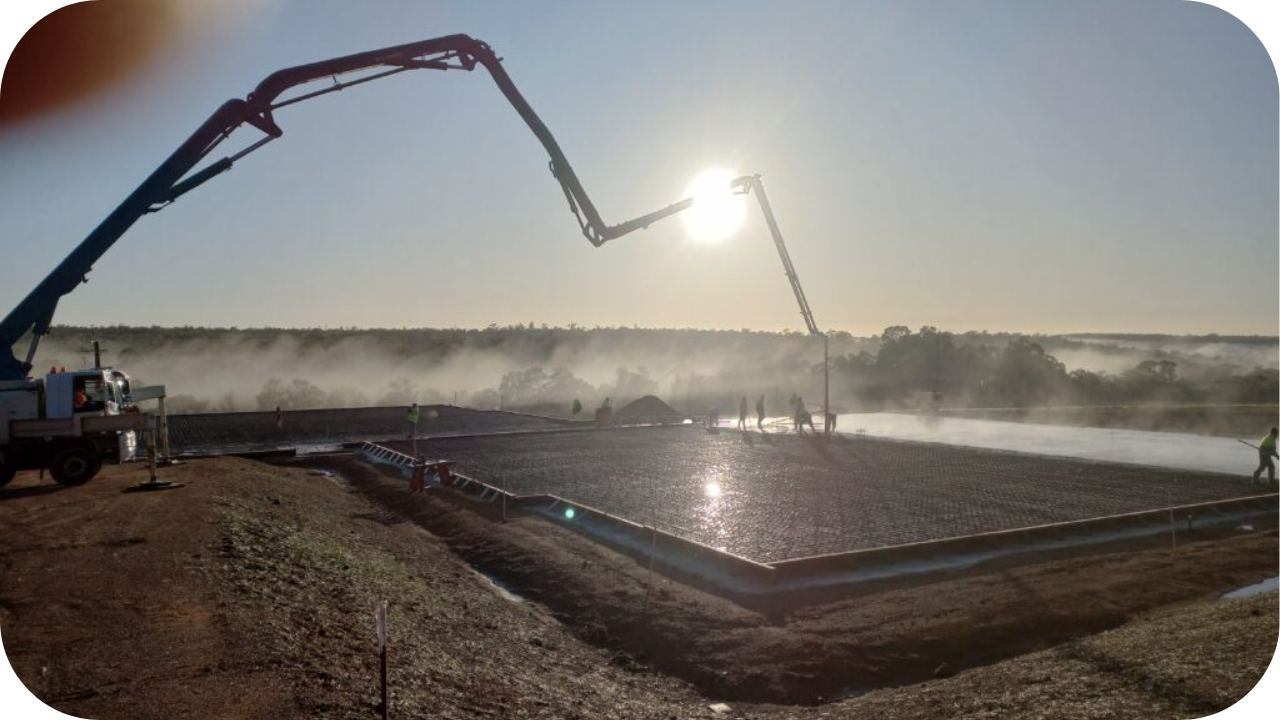
Melbourne weather can shift quickly, making weather management vital for safe pumping. Rain creates slippery surfaces and soft ground that can destabilise pump trucks or lead to unsafe foot traffic.
Winds may affect hose control, especially when pressure rises near bends or elevated areas. High heat causes rapid setting, which increases blockage risk inside the line. Crews should adjust pour timing to avoid extreme conditions and use covers or mats to stabilise the work area when needed.
Communication becomes even more important as conditions change so everyone knows how to respond. Operators must slow or pause pumping if safety is compromised. Good planning helps the team work safely regardless of weather challenges.
When these conditions are monitored closely, the job stays steady, concrete quality improves, and workers remain protected throughout the pour.
Safe traffic control is crucial for protecting workers and nearby residents during pumping activities. Trucks carrying concrete need clear paths to access the pump without crossing unsafe areas or reversing blindly.
Setting up exclusion zones around the pump, hose paths, and operating areas helps prevent pedestrians from entering hazardous positions. Cones, tape, and signage create clear boundaries that guide movement around the site.
A designated spotter can direct vehicle traffic, communicate with the operator, and ensure no one walks behind trucks or within tight spaces. Good planning prevents congestion and reduces the chance of collisions or injuries.
When everyone follows the marked pathways and respects restricted zones, the worksite becomes more organised and predictable. Effective traffic control ensures smooth pumping and keeps both workers and the public safe throughout the job.
Proper protective equipment forms a strong shield against common risks that occur during concrete pumping. Every worker should wear sturdy boots, gloves, safety glasses, and high-visibility clothing so they can move safely around the site.
Helmets protect against falling objects or accidental hose movement. Respiratory protection may be required when dust rises during priming or cleanup. Operators working close to high-pressure lines benefit from additional face protection to shield against sudden releases.
Crews handling hoses gain better grip and stability with durable gloves that resist the effects of wet concrete. PPE must be checked for fit and condition before each job to ensure full protection.
When crews wear the correct gear, they remain protected from splashes, pressure bursts, and debris. Consistent use of PPE reinforces a strong safety culture and reduces preventable injuries on Melbourne worksites.
Emergencies during pumping require quick, calm, and organised responses. Every crew member must understand the steps to follow in the event of a hose whip, a line burst, or equipment failure.
Operators should immediately stop the pump, relieve pressure safely, and secure the area. No worker should approach a blocked or damaged hose until the system is fully depressurised. Clear communication is essential so the team knows when to evacuate or reposition.
Emergency plans should also include first aid procedures and contact information for medical support in the event of an injury occurring. Reporting incidents helps identify root causes and prevent future risks.
Regular drills and training build confidence, enabling workers to know how to react. A strong response plan protects lives, limits damage, and ensures the team can return to safe, controlled pumping as soon as conditions allow.
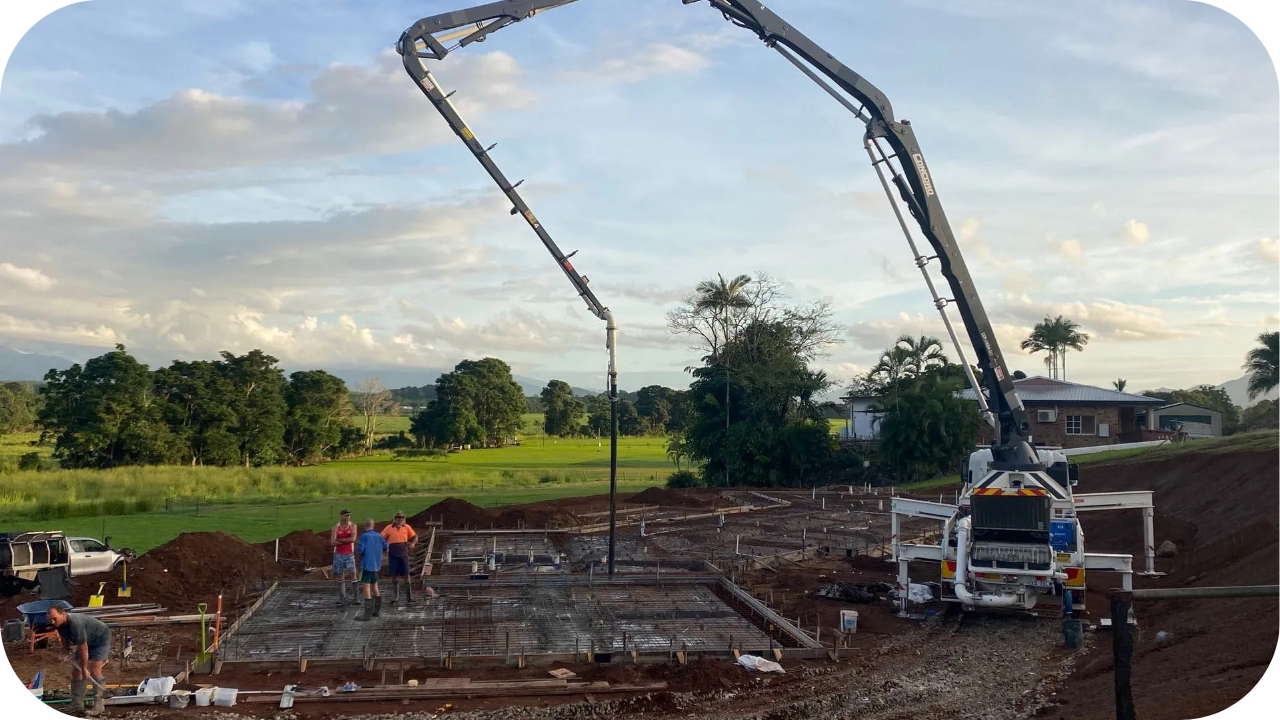
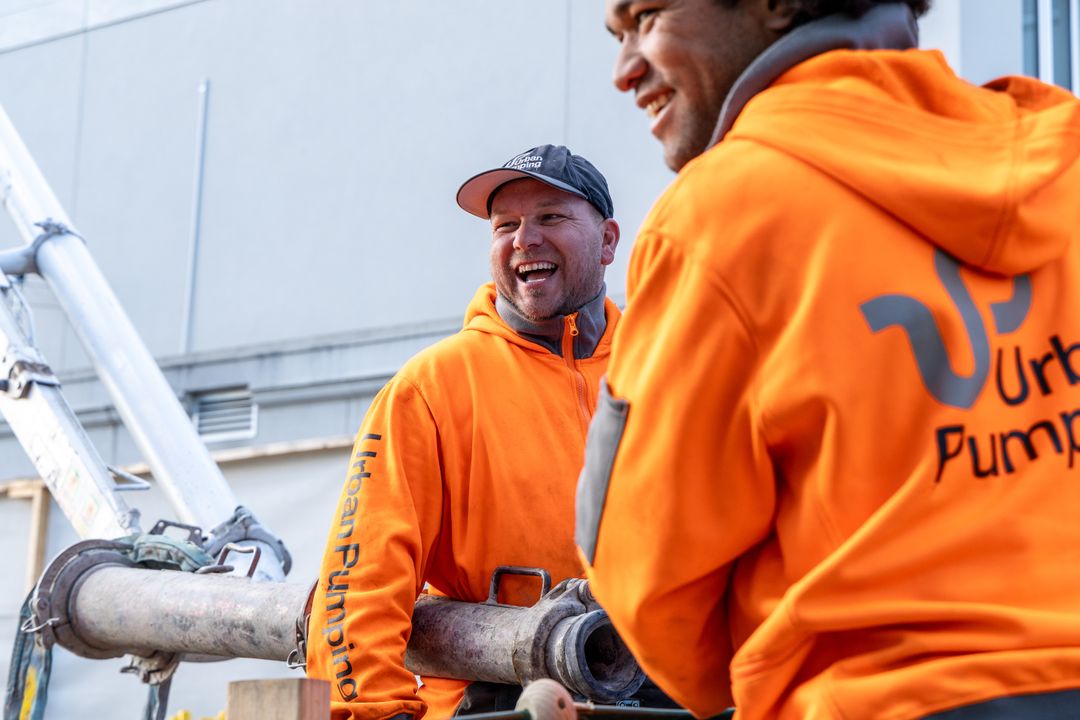
Urban Pumping treats safety as the foundation of every project, not an optional extra. Every site begins with a thorough assessment that examines access, ground stability, overhead risks, and the unique layout of Melbourne buildings.
Operators review the pour plan with the crew, ensuring everyone understands the sequence, signals, and responsibilities before setting up any equipment. All pumps, hoses, clamps, and lines are carefully inspected to confirm they meet strict safety standards.
During the pour, communication remains constant, so the operator and hose handler stay perfectly in sync. The team monitors pressure, flow, and conditions, adjusting quickly when the site conditions or the weather change.
Once the pour is complete, the equipment is washed down and inspected to maintain reliability for the next job. This commitment protects builders, homeowners, and contractors while keeping projects on schedule. Urban Pumping delivers safe, consistent, and dependable results across every Melbourne site.
Safe concrete pumping begins long before the hose starts moving. When teams plan well, use the right equipment, and stay alert to Melbourne’s ever-changing conditions, the entire pour runs smoother, faster, and far safer.
Every step you take to prevent hazards protects your crew and your project from setbacks that can cause significant damage. If you want a pumping team that brings skill, caution, and reliability to every job, Urban Pumping is ready to support your next pour.
Reach out today and keep your worksite safe from start to finish.