Request Quote
Oops! Something went wrong while submitting the form.

Multi-level home builds demand precise concrete placement, yet many projects struggle because the wrong pumping method is chosen. Industry reports show vertical pours cause far more delays than ground-level work, and that number surprises plenty of builders.
Height, tight access, long hose runs. One mistake and the pour slows, weak spots form, and the structure is put at risk. Stress rises fast when the crew fights against the pump instead of working with it.
The right pumping method removes that pressure. This guide walks you through the best options for multi-level homes and how to choose them with confidence.
Multi-level residential homes introduce challenges that standard pumping methods cannot manage safely or efficiently. As floors rise, concrete must travel further, climb higher, and maintain steady pressure to reach upper slabs, beams, and columns.
Manual handling becomes unsafe at height, and traditional delivery methods struggle to keep up with the required pace. Vertical pumping also demands greater control because long lines increase friction and pressure changes.
Without the right equipment and techniques, the risk of cold joints, uneven placement, and blockages grows. Access is another issue since many multi-level builds sit on narrow blocks or tight urban sites where manoeuvring large vehicles is difficult.
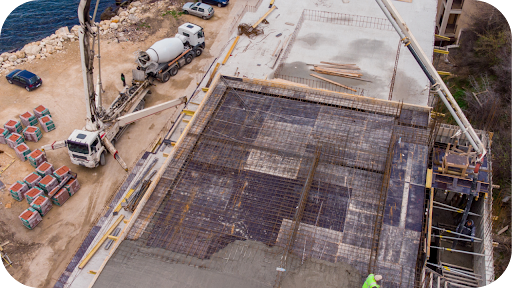
Specialised pumping solves these problems by providing controlled flow, stable pressure, and precise placement at every level. These methods support stronger structures, safer working conditions, and reliable performance across the entire build.
Height, distance, and access create major challenges when pumping concrete for multi-level residential homes, and each factor must be managed carefully to keep the pour controlled and consistent.
As height increases, the pump must generate enough pressure to push concrete upwards through long vertical lines without losing flow quality. Distance also plays a role because longer horizontal runs can increase friction and slow the mix, which affects placement accuracy on upper floors.
Access is often the toughest constraint, especially on narrow blocks, sloped driveways, or sites surrounded by neighbouring buildings. Limited space restricts where the pump truck can sit and how the hoses can be routed.
If these constraints are not planned for, crews face delays, weaker concrete bonding, and higher safety risks. With proper assessment and the right pumping method, each limitation can be managed, allowing concrete to move smoothly from the ground level to the highest point of the build.
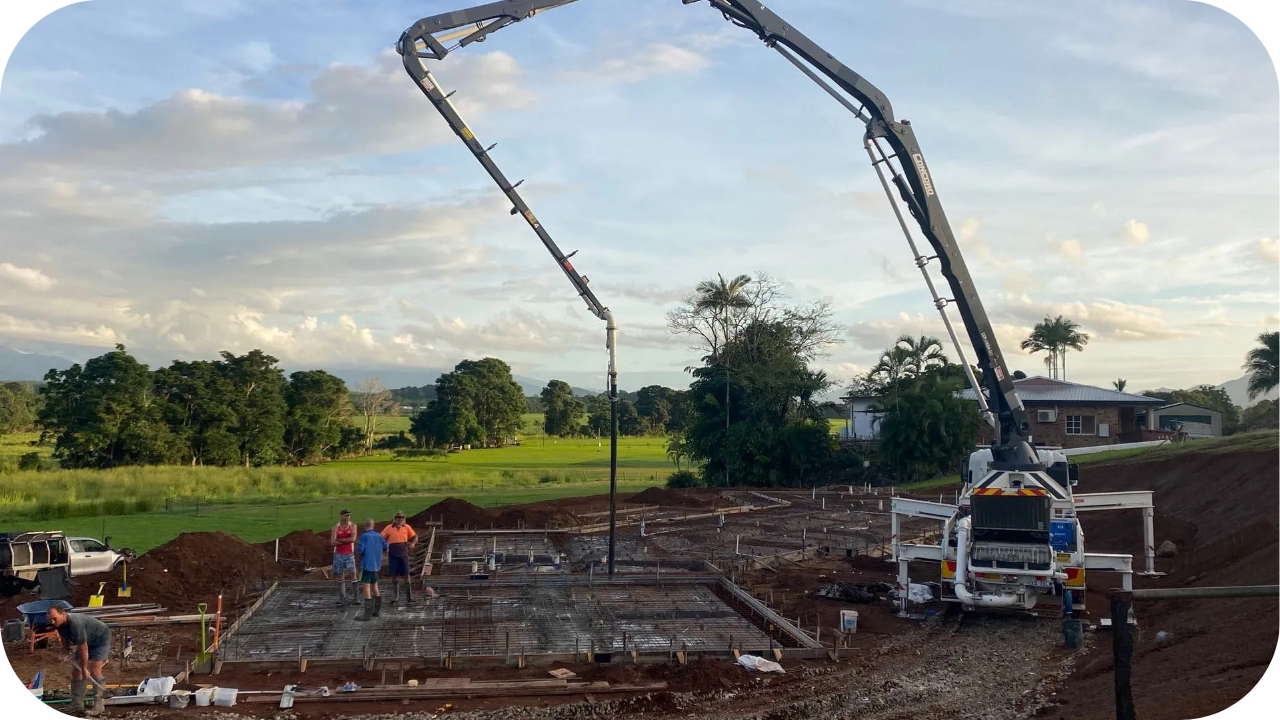
Multi-level homes demand pumping methods that handle height, distance, and tight access with precision, making the right approach essential for smooth, safe pours. Here are some of the methods:
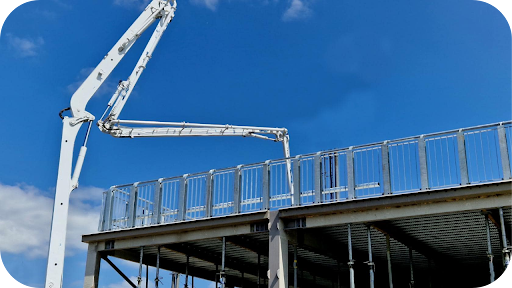
Boom pumping is ideal for taller homes or sites that require concrete to be placed over obstacles such as roofs, fences, or neighbouring buildings. The articulated arm provides direct access to upper floors without extensive hose runs.
This improves accuracy and reduces friction within the line. Boom pumps support smooth placement of large volumes, making them suitable for upper slabs, rooftops, and high-reach structural elements.
Line pumping is a practical method for many multi-level residential homes because it handles narrow access and allows long horizontal and vertical runs. The hose can be directed through side paths, courtyards, or internal spaces while maintaining a steady flow.
This method works well for double-storey slabs, suspended floors, columns, and stairs where precision matters. With correct pressure settings and proper hose routing, line pumps deliver reliable performance for most medium-height structures.
High-pressure pumping is essential when concrete needs to travel significant heights or long distances with consistent flow. These systems maintain steady pressure inside vertical pipelines, reducing the risk of slowdowns, blockages, or premature setting.
This method suits three-storey builds, split-level homes, and residential complexes that require safe delivery to elevated zones. High-pressure pumping keeps the mix moving efficiently, ensuring strong bonding and uniform curing on every level.
Safe multi-level pumping relies on careful planning and strong coordination, especially when concrete must travel higher and through more complex pathways across the site. Here are some of the considerations:
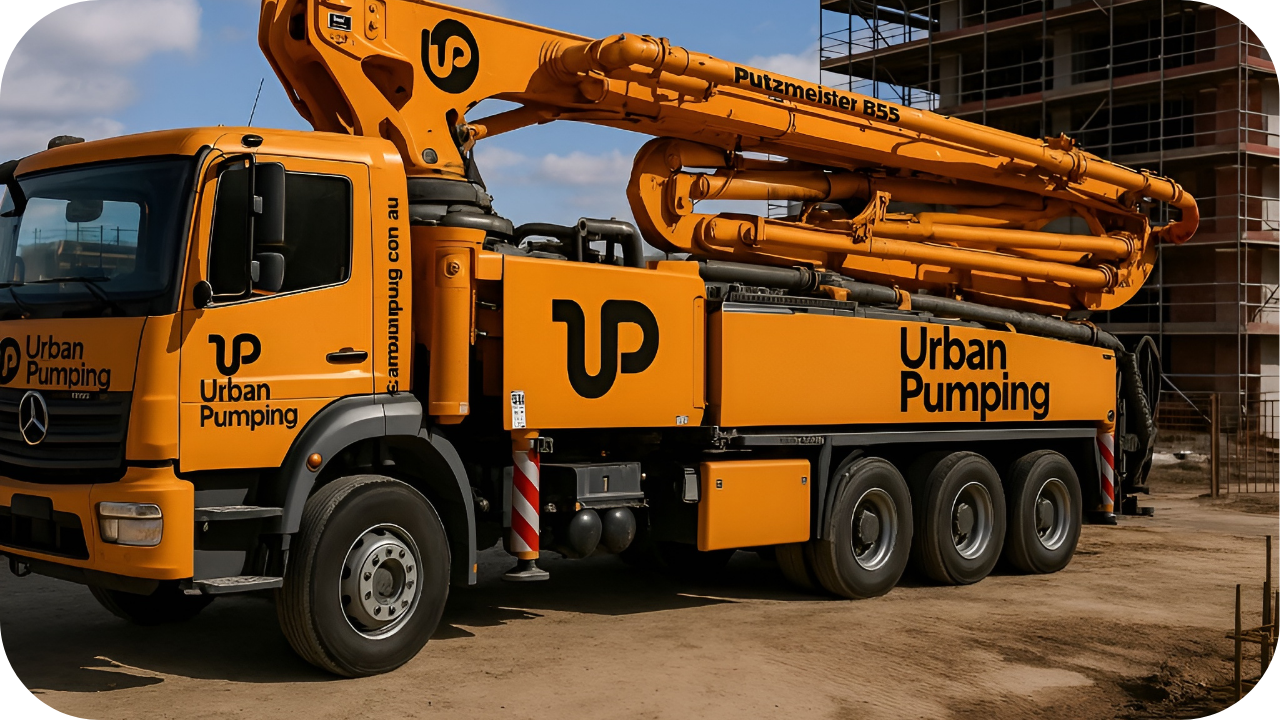
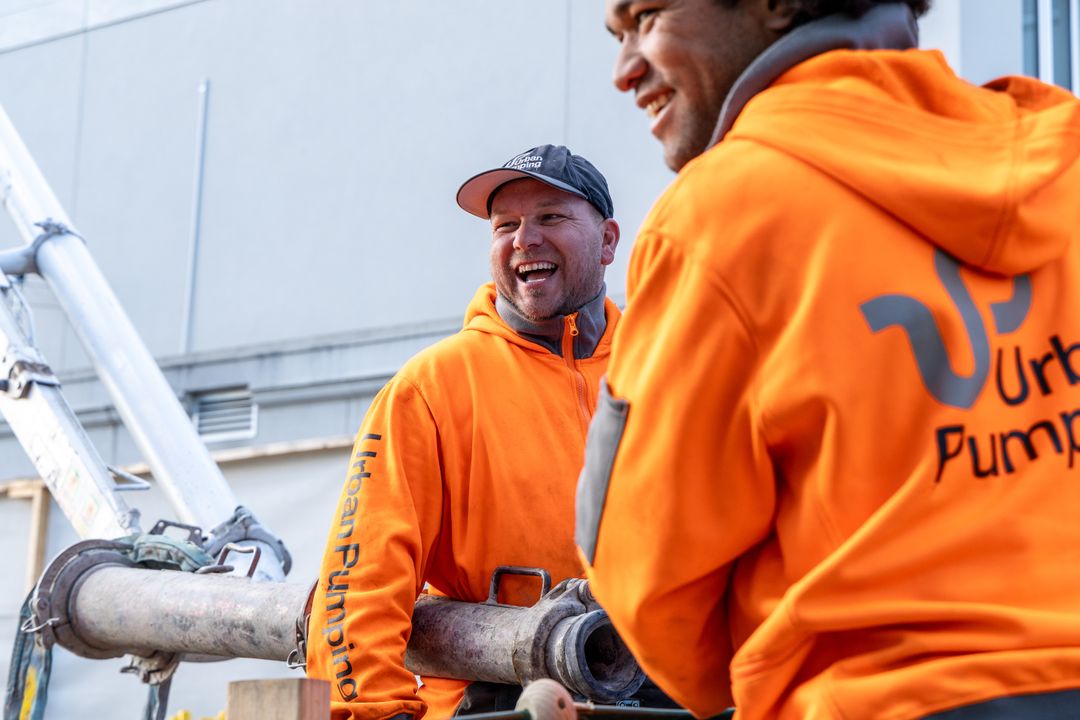
Urban Pumping brings experience, planning, and steady control to every multi-level residential project, which helps builders achieve smooth and reliable pours from the ground floor to the upper levels.
Each job begins with a site assessment that identifies access points, elevation changes, and the best position for the pump. This preparation ensures the equipment can operate safely and maintain a consistent flow.
Operators select the right pump for the height and distance involved, adjusting pressure levels to support vertical climbs without interruptions. Clear communication with the concreting crew keeps everyone aligned on timing, hose movements, and the sequence of each pour.
Regular monitoring during pumping helps detect early signs of pressure changes so adjustments can be made before problems occur. With skilled operators and well-maintained equipment, Urban Pumping supports strong, continuous pours that help multi-level homes achieve the structural strength needed for long-term performance.
Choosing the right pumping method is one of the most important steps in building a strong multi-level home. When height, access, and pressure are handled correctly, the entire structure benefits from smoother pours, fewer delays, and a cleaner finish that lasts.
With the right crew and equipment, even complex sites become manageable and efficient. If you want your next multi-level project poured with accuracy from the first floor to the final slab, Urban Pumping is ready to help. Reach out today and let our team support your build with confidence.